Sustainability is at the heart of how we do business.
Discover how we support our environment, people, and communities for a better future. SAFCOL applies a rigorous triple-bottom-line approach grounded in transformation, community partnership and Just Transition.
Our Footprint at a Glance
Indicators of SAFCOL's environmental and social impact.
B-BBEE Level 1 Contributor
As part of our commitment to the State's economic transformation agenda, SAFCOL actively supports the implementation of the Government's Broad-Based Black Economic Empowerment (B-BBEE) policies. We are committed to increasing the meaningful participation of previously disadvantaged South Africans across our forestry value chain.
In recognition of our sustained transformation efforts, SAFCOL has been independently verified as a Level 1 B-BBEE Contributor. This achievement reflects our strong performance across management control, skills development, enterprise and supplier development, and socio-economic development.
download Download B-BBEE CertificateLevel 1 B-BBEE
Independently Verified
Global recognition for responsible forest management that is environmentally appropriate, socially beneficial and economically viable.
We Care.
Most of our operations are located in rural areas of South Africa, many of which remain underdeveloped. As a state-owned company, SAFCOL is required to operate as a commercially viable business while advancing the government's developmental agenda.
Through our activities, we support approximately 25,000 lives by creating employment, enabling small business development, and implementing social upliftment initiatives. These include the construction of schools, clinics, early childhood development centres, and other community infrastructure that contributes to improved quality of life.
We have established long-standing, trusted relationships with communities surrounding our operations through social compacts signed with community representatives. Together with our communities, we focus on alleviating poverty, improving living conditions, and developing skills.
Land Risk Management Division
A significant portion of SAFCOL's plantations is affected by land claims, approximately 57%. In response, we have adopted a proactive community engagement model that integrates land claim beneficiaries into our value chain. This approach supports sustainable partnerships while ensuring continued economic activity and community benefit.
To strengthen this work, SAFCOL has established a dedicated Land Risk Management Division responsible for facilitating the resolution of all land claims affecting SAFCOL-operated land.
The mandate of the Land Risk Management Division is to coordinate and facilitate the successful and timeous settlement of land claims through strategic collaboration with the Department of Land Reform and Rural Development (DLRRD), guided by a mutually beneficial settlement model.
SAFCOL drives improvements in:
- Research and verification of land claims
- Gazetting of all valid claims
- Alignment of settlement outcomes with sustainable forestry operations
"We actively foster strong, transparent relationships with all affected stakeholders, ensuring inclusive growth, shared value creation, and long-term sustainability for all parties involved."
Agroforestry Initiatives
Agroforestry is one of SAFCOL's flagship sustainability programmes, designed to improve livelihoods for adjacent and land claimant communities while promoting sustainable land use within the forestry landscape.
Mushroom Harvesting Programme
Community members are granted controlled access to SAFCOL forests to harvest indigenous mushrooms. These are sold to processing companies, providing seasonal income while encouraging sustainable use of forest ecosystems.
JDM Keet Agroforestry
At the JDM Keet plantation, SAFCOL allocated temporarily unplanted land to local communities for the cultivation of jugo beans and groundnuts. This pilot supports food production, skills development and small-scale commercial farming.
Subsistence Farming & School Nutrition
SAFCOL supports subsistence and school-based vegetable gardens, particularly in rural communities. These initiatives enhance school nutrition programmes, improve household food security and promote responsible farming.
Beekeeping in Plantations
Small-scale beekeepers are permitted to establish beehives within SAFCOL plantations. This initiative supports honey-harvesting enterprises, enhances biodiversity and creates sustainable income opportunities.
"These flagship agroforestry initiatives reflect SAFCOL's commitment to sustainable land stewardship, community upliftment, and a Just Transition. By diversifying income streams, strengthening local food systems, and building resilience in forestry-dependent communities, SAFCOL ensures that land delivers shared value for present and future generations."
ESD as a Catalyst for Rural Economic Development
Enterprise and Supplier Development (ESD) supports aspiring entrepreneurs in formalising their business ideas into viable businesses. The establishment of micro-enterprises plays an important role in addressing socio-economic challenges in rural communities.
Access to Markets
Suppliers on our Supplier Development Programme may qualify for specific procurement goals and targets. The service is restricted to land claimants and local communities within SAFCOL's footprint area, with extended services for SEs in the Enterprise Development Programme.
Facilitation of Finance
Contract funding and arrangements for suppliers on SAFCOL's Supplier Development Programme qualify for loans. External funding can be prearranged with project partners and funding stakeholders. Grants for business start-ups and growth initiatives may be considered.
Non-Financial Support
MSMEs receive a package of services ranging from technical mentorship, financial management and basic business support. Support is mainly internal, whilst external services may be considered for certain projects.
Sinikiwe Ithuba Primary Cooperative
"We have been given an opportunity"
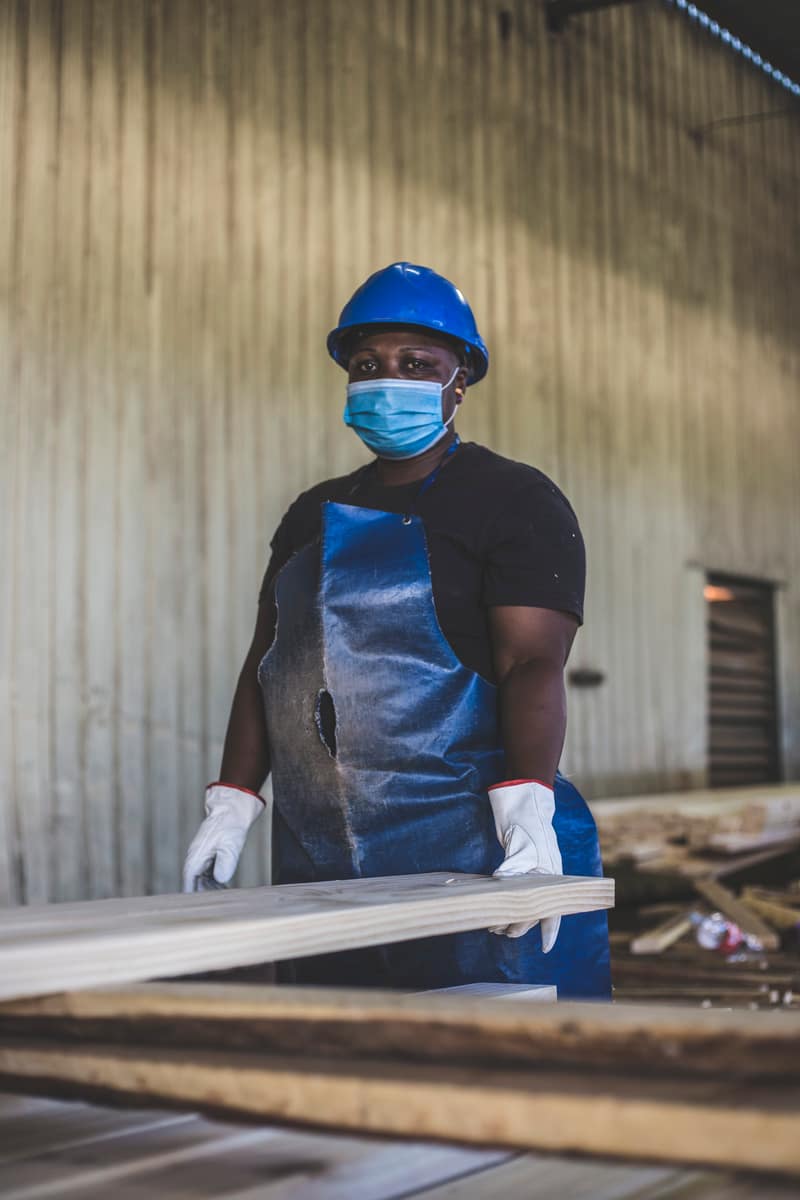
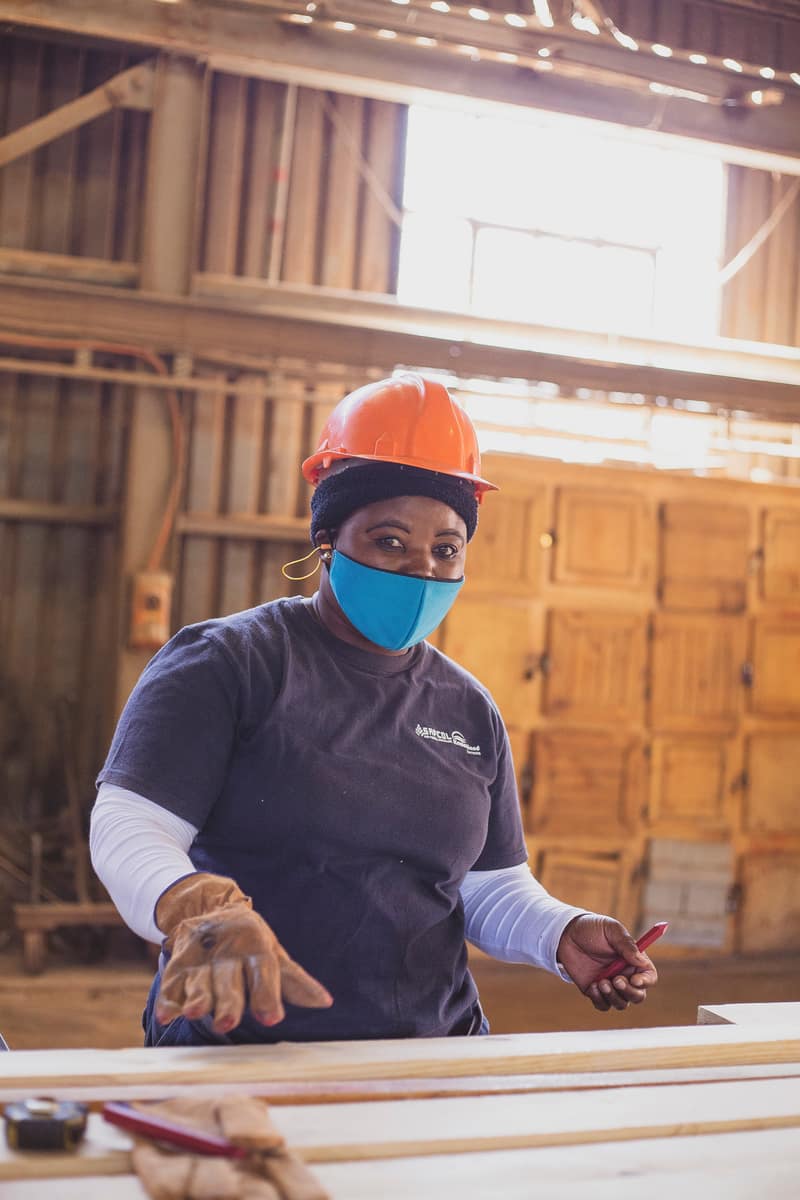
Sinikiwe Ithuba Primary Cooperative is a shining example of transformation within the forestry value chain. Its name, meaning "we have been given an opportunity", reflects the path members have taken from a furniture manufacturing learnership to becoming a supplier.
Initially capacitated through SAFCOL's Learning and Development Division in furniture manufacturing, the cooperative progressed into the Enterprise Development programme and transitioned to being a supplier by manufacturing school desks for a previously disadvantaged school - Ithole Primary School in Amsterdam, Mpumalanga.
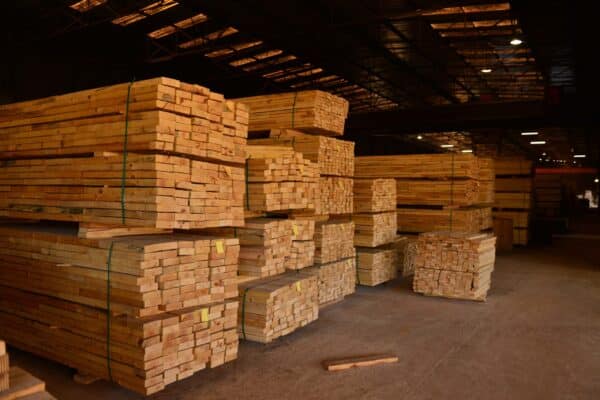
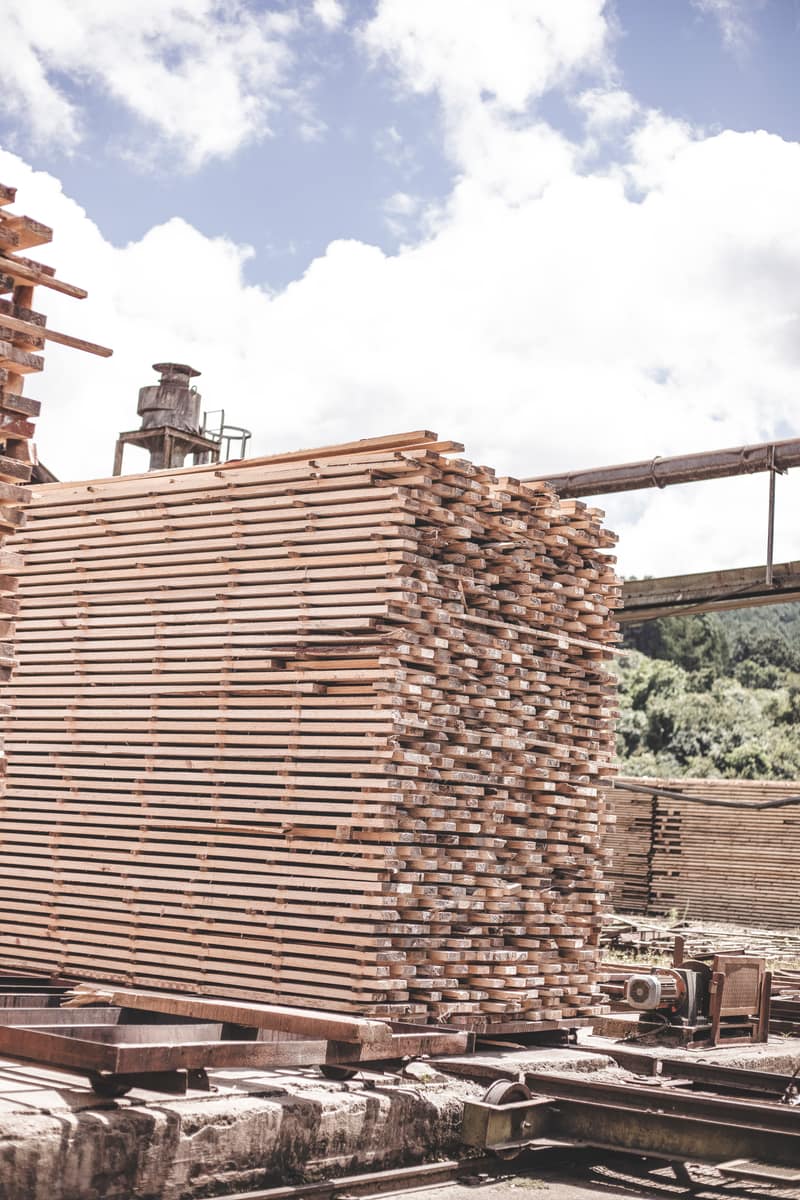
Central to this achievement was the donation of high-quality lumber from SAFCOL's Timbadola Sawmill, which provided the raw material needed to craft durable desks. Coupled with technical mentorship from the Small Enterprise Development Finance Agency (SEDFA), the cooperative successfully delivered 100 school desks that directly improved the learning environment for the local children.
This journey highlights how structured support, from skills development to supplier integration, creates lasting opportunities, strengthens local enterprises, and demonstrates the mutual benefits of collaboration across the forestry sector.
Invest in a Sustainable Future
Explore SAFCOL's procurement opportunities and partner with us in driving rural economic transformation.
Timber-Framed Structures
SAFCOL has invested in social infrastructure projects across Mpumalanga (MP), Limpopo (LP) and KwaZulu-Natal (KZN). 99% of all social infrastructure projects are timber-framed structures.
cabin Timber-Framed Projects (28 completed)
domain Conventional Brick and Mortar Projects (10 completed)